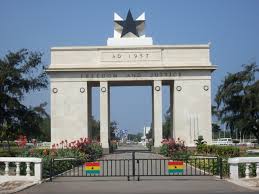
Ghana’s President John Dramani Mahama has been urged by a global delegation to rally other African leaders behind a coordinated push for slavery reparations. Advocates say the movement aims to address the lasting legacy of the transatlantic slave trade, colonial exploitation, and their enduring social and economic effects across the continent.
International Support and Delegation Visit
A delegation of experts from Africa, the Caribbean, Europe, Latin America, and the United States met with President Mahama in Accra recently. They emphasized the importance of strategic unity among African governments to strengthen the continent’s collective voice on reparative justice. Their appeal highlighted that unity would build political momentum and generate international awareness for the cause.
The African Union’s Reparations Agenda
The African Union (AU) has developed a reparations strategy that includes possible financial compensation, formal apologies for historical injustices, and broader policy reforms to address systemic inequalities rooted in slavery and colonial systems.
A report noted that at least 12.5 million Africans were kidnapped and transported to the Americas between the 15th and 19th centuries. Advocates argue that this forced migration and exploitation created long-lasting economic and cultural damage.
Renewed Push for Continental Leadership
Delegates urged Mahama to encourage fellow African leaders to “choose courage over comfort” in backing the reparations movement. They believe that a united front could counter global resistance and push major powers to acknowledge historical harms more proactively.
Many European leaders have acknowledged the suffering caused by slavery and colonialism, though few have endorsed formal reparations. Ghana’s Vice President, Jane Opoku-Agyemang, recently called for support from the European Union on a United Nations resolution to recognise slavery as one of the “gravest crimes against humanity.”
Why Reparations Matter
Calls for reparations continue to gain momentum across Africa and the African diaspora. Advocates say that recognition, apologies, and compensation are important steps toward healing and economic justice. They also argue that addressing historical injustices could provide opportunities for investment in infrastructure, education, and healthcare across the continent.
Challenges and Opposition
Despite growing support among civil society and diaspora communities, the push for reparations faces resistance from some global leaders and institutions. Critics argue that modern governments should not be held financially responsible for actions taken centuries ago. They also raise concerns about the amount of coordination and consensus needed among countries to implement reparatory measures.
Looking Ahead
Ghana has historically been a vocal advocate for reparations. Previous calls for reparative justice date back several years, with leaders highlighting the economic and cultural impacts of slavery and colonialism on African nations.
As the discussion continues, observers say that stronger alignment among African Union members and engagement with global partners could help bring the reparations agenda into international policy forums, including the United Nations.
Disclaimer: This article is for informational purposes only and does not constitute legal, financial, or political advice.