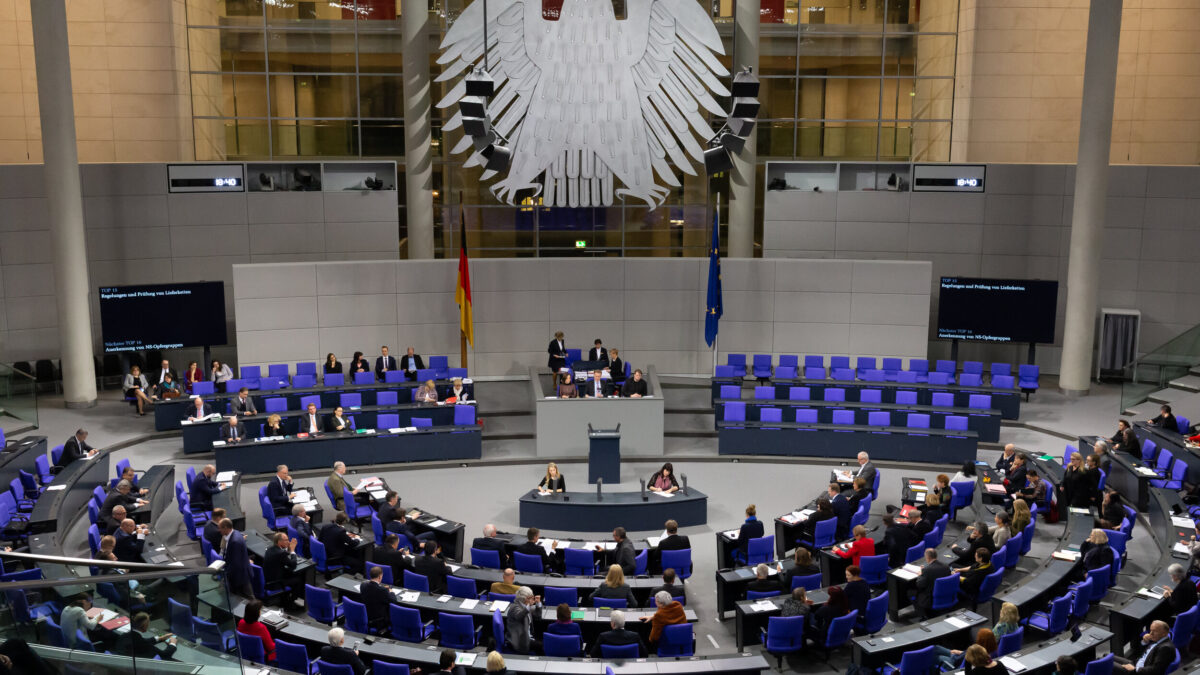
NATO’s Secretary General has repeatedly stressed that Europe still depends heavily on the United States for its defense. While European countries have increased military spending in recent years, NATO leaders argue that U.S. support remains essential for security across the continent.
U.S. Military Power Remains Central to NATO
The United States provides the largest share of NATO’s overall military strength. This includes advanced air power, missile defense systems, intelligence networks, and rapid deployment forces that Europe currently lacks at scale.
According to data published by NATO , the U.S. accounts for a significant portion of total alliance defense spending, far exceeding that of any single European member.
Critical Capability Gaps in Europe
Despite recent investments, many European militaries still depend on the U.S. for key capabilities. These include long-range airlift, satellite surveillance, cyber defense, and large-scale logistics during crises.
Without these assets, Europe would struggle to respond quickly to major security threats or sustain long-term military operations.
The Role of Nuclear Deterrence
One of NATO’s strongest deterrents is the U.S. nuclear umbrella. Several European allies rely on American nuclear capabilities to discourage potential aggression.
Security analysts note that this deterrence has played a key role in maintaining stability in Europe for decades, especially during periods of heightened tension.
Impact of the Ukraine War
Russia’s invasion of Ukraine has reinforced concerns about Europe’s readiness. Since the conflict began, the U.S. has deployed additional troops and equipment to Eastern Europe, highlighting its leadership role within NATO.
Reports from BBC News show that American military support has been critical in reassuring NATO members close to Russia’s borders.

Europe’s Defense Efforts Are Still Fragmented
Although the European Union has discussed building a more independent defense structure, progress has been slow. Differences in national priorities, budgets, and political interests continue to limit deeper military integration.
As a result, NATO remains Europe’s most reliable defense framework, with the United States as its backbone.
A Call for Shared Responsibility
Importantly, the NATO Secretary General’s comments are also a message to Europe. They serve as a reminder that European countries must continue increasing defense spending and strengthening their own military industries.
The long-term goal is not permanent dependence, but a stronger and more balanced alliance where responsibilities are shared more evenly.
Conclusion
Europe’s reliance on U.S. defense support reflects current military realities, not a lack of ambition. Until European nations close key capability gaps and achieve deeper defense coordination, U.S. involvement will remain essential to NATO’s security mission.
Disclaimer: This article is for informational purposes only and does not constitute political or security advice.