
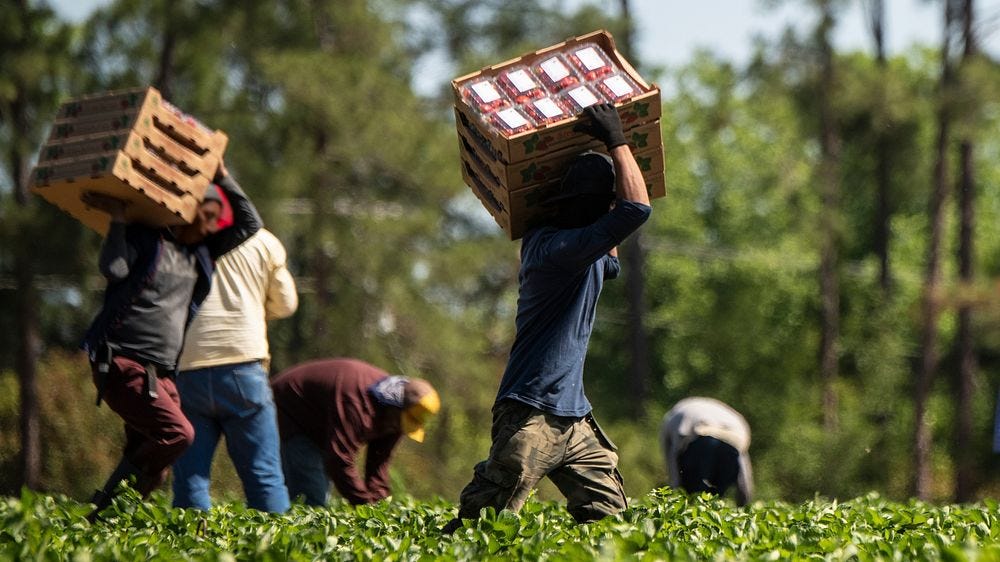
The UK government has announced a significant change to the UK inheritance tax rules affecting farmers and business owners. From 6 April 2026, the threshold for full tax relief on qualifying agricultural and business property will be increased from £1 million to £2.5 million per individual. This move is designed to protect more family farms and businesses from costly inheritance tax bills.
What the New Threshold Means
Inheritance Tax (IHT) is normally charged at a rate of 40% on estates above certain thresholds. However, special reliefs exist for qualifying farm and business assets, known as Agricultural Property Relief (APR) and Business Property Relief (BPR). Until now, the full 100% relief for these types of property was capped at £1 million. Under the new rules, this cap will rise to £2.5 million.
According to the UK government, the increase will allow spouses and civil partners to pass on up to £5 million in qualifying agricultural or business assets between them free of inheritance tax, on top of other tax allowances such as the standard nil-rate band. This provides significant protection for family estates and trading businesses. More details on the government announcement can be found on the official GOV.UK news page .
Why the Change Was Made
The planned rise in the inheritance tax threshold follows strong feedback from farmers, rural groups, and business owners. Earlier proposals to limit full tax relief to £1 million had sparked widespread opposition, with critics warning that many family farms and small businesses could face higher tax bills, potentially forcing the sale of land or assets to cover costs.
Protests and public pressure played a role in influencing the government’s decision. Environment Secretary Emma Reynolds said the change was intended to support rural communities and protect ordinary family farms while ensuring that very large estates contribute fairly. The revision was also welcomed by influential organisations such as the National Farmers Union and rural MPs.
Impact on Family Farms and Small Businesses
Under the new rules, the majority of family farms and qualifying businesses will not pay inheritance tax on assets protected by APR and BPR up to £2.5 million per individual. Experts estimate that around 85% of estates claiming these reliefs will not pay additional tax as a result of the reform. However, some critics argue that the changes may not fully protect larger estates in areas with high land values.
The reform applies to qualifying assets including farmland, farm buildings, livestock, agricultural equipment, and business property central to a trading enterprise. Estates over the threshold will still receive partial relief above the £2.5 million mark, with a reduced effective tax rate compared with the standard 40% levy. For background on how agricultural property relief works, you can visit the GOV.UK guidance on APR and BPR changes .

Support and Criticism
Many farming groups and business advocates have welcomed the threshold increase as a “Christmas relief” for rural communities, helping secure the future of family-run farms and protect generational wealth. Some commentators have noted that the policy U-turn reflects the government’s responsiveness to economic and public pressure.
On the other hand, critics argue that the reforms do not go far enough, pointing out the challenges faced by businesses just above the threshold and calling for a more comprehensive overhaul of inheritance tax rules.
When the Changes Take Effect
The inheritance tax relief threshold increase will formally take effect from 6 April 2026, following passage of the relevant clauses in the Finance Bill. Families and business owners with qualifying assets are advised to consult tax professionals to understand how planning strategies can adapt to the new rules.
Disclaimer: This article is for informational purposes only and does not constitute financial, legal, or tax advice. Please consult a qualified tax advisor for personalised guidance.




No Comments