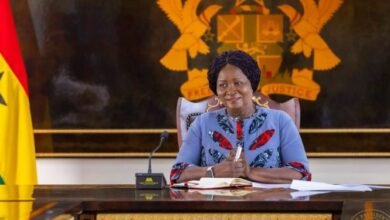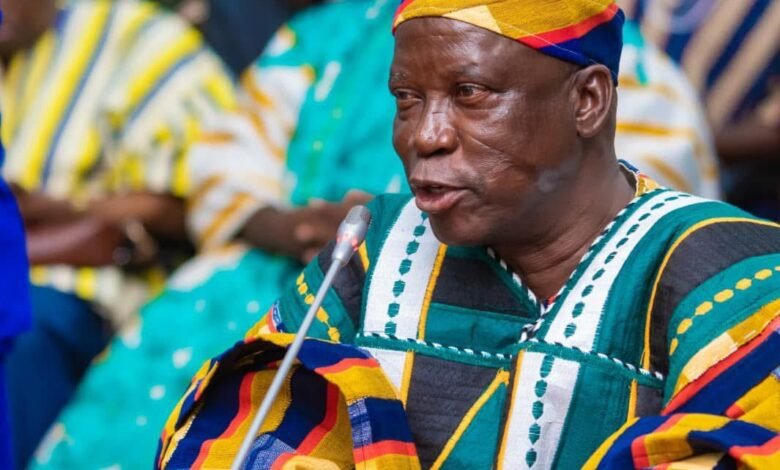
The Upper East Regional Minister, Akamugri Donatus Atanga, has warned that the worsening climate crisis is increasingly fuelling migration, resource competition and insecurity in the region.
He said drought, erratic rainfall, land degradation and declining agricultural productivity across the Sahel were undermining livelihoods and forcing vulnerable populations to migrate, particularly towards relatively stable countries such as Ghana.
Speaking at the Climate Talks 2026 in Bolgatanga on Wednesday, August 12, Mr. Atanga said climate change could no longer be treated solely as an environmental issue.
“Climate change is no longer simply an environmental concern; it is increasingly a development, humanitarian, migration and security concern,” he said.
According to him, the Upper East’s location along Ghana’s borders with Burkina Faso and its proximity to Togo makes the region particularly exposed to the effects of climate-related displacement and insecurity in the Sahel.
He noted that the movement of displaced populations into the region was putting additional pressure on already limited resources, including water, healthcare, education, food, land and livelihoods.
Mr. Atanga warned that increased competition over scarce resources could heighten tensions between communities and contribute to land disputes, farmer-herder conflicts and communal violence.
“Increased pressure on land, water, grazing areas, housing and employment can intensify competition over scarce resources and, if not carefully managed, contribute to land disputes, farmer-herder tensions and communal conflict,” he said.
He further cautioned that the vulnerabilities created by climate-induced displacement could be exploited by organised criminal networks and violent extremist groups.
The Minister said insecurity in parts of the Sahel had already contributed to displacement into Ghana, with a refugee camp established at Tarikom in the Bawku West District and other displaced populations hosted in communities including Kugri, Widana, Sapeliga and Widnaba.
He stressed the need for a coordinated response that supports both displaced persons and host communities, warning that host communities must not become “invisible victims” of displacement.
Mr. Atanga also called for stronger intelligence sharing, early warning systems, community engagement and cross-border cooperation, particularly with Burkina Faso, to prevent climate-related vulnerabilities from becoming security threats.
He said government’s climate resilience efforts under the PEARL Framework (2026–2035)—Prosperity through Enterprise, Agriculture, Resilience and Livelihoods—were intended to address some of the underlying vulnerabilities.
“When livelihoods are resilient, families are less vulnerable to displacement; when young people have meaningful opportunities, migration becomes more a matter of choice than desperation,” he said.
The Minister said building climate-resilient agriculture, creating jobs, diversifying livelihoods and strengthening border governance would be critical to preventing climate shocks from worsening insecurity.
He urged stakeholders to move from crisis response to resilience-building and from reactive security measures to preventive, community-based approaches.
“Ultimately, our goal must be to create conditions in which migration is increasingly a matter of choice and opportunity, rather than desperation and survival,” Mr. Atanga said.