
The history of the “Etsii” (also referred to as the Etsi or Etsii Fuifo) is deeply intertwined with the foundational history of Ghana’s Central Region and the broader evolution of the Fante states.
They are widely recognized as part of the indigenous Guan-speaking aboriginal populations who inhabited the coastal and forest regions long before the major migrations of other groups.
Identity and Origins
Autochthonous Inhabitants: Unlike groups with oral traditions centered on distant migrations, traditional accounts of the Etsii often state that their ancestors have always been there, utilizing symbolic origins like descending from the sky through the clouds (mununkum) or emerging from sacred groves and ancient settlements.

The “Etsii Fuifo”: When the Borbor Fante groups migrated southwards centuries ago (traditionally around 850 years ago), they encountered these established indigenous communities. The Fante referred to them as Etsii fuifo—meaning “people with bushy hair”—which was eventually shortened to Etsii.
Territory and Early Settlements
Adowegyir and Mankessim: Historically, the Etsii held prominent regional centers. One of their vital early capitals was known as Adowegyir. When the Borbor Fante arrived and established dominance in the area, this settlement was captured and renamed “Oman Kese” (the Great State), which later corrupted into Mankessim—the spiritual and historical heartland of the Fante.
Geographical Spread: The Etsii originally occupied vast tracts of what became traditional Fante and Guan territories, including ancestral lands stretching through parts of the Konkom Forest, Etsi Bosomadwe, parts of Fetu (Cape Coast area), Eguafo, Asebu, and Otsir settlements.

Interaction and Assimilation with the Fante
Cultural and Linguistic Exchange: Following the initial conflicts and shifts in power, the Etsii and the incoming Akan-speaking Borbor Fante underwent a deep process of mutual assimilation.
Adoption of Language: While the incoming Fante groups possessed their own dialect origins (such as Bono connections), they heavily adopted the local tongue. Linguistic and historical records note that the modern Fante language owes a substantial foundational vocabulary and influence to the original Etsii speech.
The Fante Confederacy: Over centuries, through shared political structures, social integration, and alliances, the descendants of the Etsii and the Borbor Fante coalesced into the unified political network known historically as the Fante states, leading many modern Etsii communities to proudly identify within the broader Fante cultural umbrella while preserving their distinct local lineages and traditions.
Cultural Heritage Today
Today, communities bearing the Etsii name such as Etsi Bosomadwe (situated between Abura Dunkwa and Assin Foso) and traditional settlements carrying the Otsir heritage maintain a robust system of chieftaincy, traditional councils, and oral histories that celebrate their status as foundational landowners and stewards of Central Region heritage.
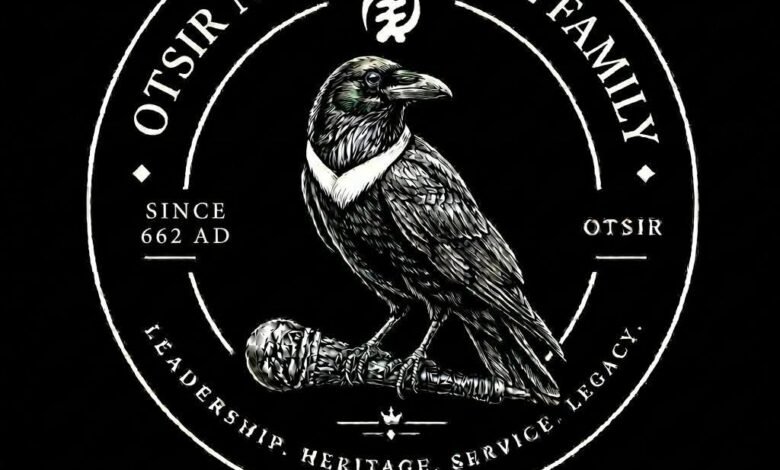
The Otsir Nsona Royal Family belongs to the rich historical and cultural fabric of Otsir (an aboriginal settlement in the Central Region of Ghana) and is rooted in the heritage of the Nsona clan.
About Otsir Nsona Family
Chief of Otsir
The recognized chief of Otsir is Nana Munumkum Gyebir Abbam III (also known as Nana Abbam VII), who serves as the Ohen of Otsir.
The Otsir Stool anchored by the Otsir Nsona Royal Family holds a deep-rooted and significant place in the traditional governance and history of the Central Region.

Key aspects of the Otsir Stool include:
Lineage and Governance: The stool is traditionally tied to the Nsona clan (whose symbol is the crow or Kwaakwaadebi), with administration managed through a structure that pairs traditional leadership with family heads.
Customary Roles: The leadership works to safeguard ancestral lands, preserve community heritage, and maintain traditional customs. The Ebusuapayin (as head of the royal family) oversees stool administration, genealogical preservation, and customary land rights alongside the stool’s occupants.
Historical Significance: The lineage possesses a rich history tied to ancestral lands, early trade relations, and historical covenants in the region (including historical ties involving Fort Amsterdam dating back to the 17th century).
Contemporary Custodianship: Modern efforts concerning the stool focus on safeguarding ancestral lands, upholding communal sovereignty, and formalizing documentation through family resolutions and traditional council records.