Government has acknowledged that the country’s increasing dependence on gold for export earnings poses a significant long-term economic risk, but insists the immediate priority is to maximise returns from the dominant commodity while pursuing a medium-term diversification strategy.
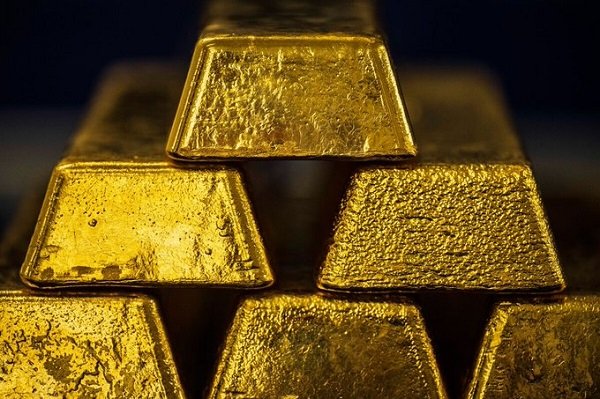
Fresh data from the Bank of Ghana as at July 2026 suggests that Ghana’s export structure remains heavily concentrated, with gold accounting for 68.3% of export earnings, compared to 12.5% from cocoa, 9.4% from oil and only 9.8% from non-traditional exports.
These figures point to the fact that, the country remains excessively exposed to fluctuations in global gold prices, leaving foreign exchange earnings, fiscal revenues and economic stability vulnerable to external shocks.
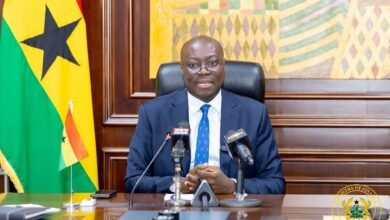
But speaking on the Citi Breakfast Show on Friday to provide further details into the 2026 Mid-Year Budget Review presented to Parliament, Finance Minister, Dr. Ato Forson conceded that the concentration risk is real arguing that the current circumstances make it necessary rather than a policy failure.
“This we are aware of. It is indeed a risk, but it’s also an advantage today. And we believe that it is not something that we can fix it, let’s say, in two months. It takes a lot more than two months to fix it. You need both planning, action, and resources to be able to fix it in the medium term. But we have a job to do. It takes a while to diversify”, he told host, Bernard Avle.
Goldbod’s role and strategy
According to the Finance Minister without the monopoly framework established for artisanal and small-scale mining (ASM) gold purchases, about half of the current gold exports of the country would have escaped the formal economy.
“You need to take advantage of what you produce first and plan to diversify in the medium term. Today, this 68.3% you are mentioning, without intervention of Gold Board, half of it would have been lost. In the sense that it would have been smuggled out of the country.”
Recognising these vulnerabilities, Dr. Ato Forson said government is preparing a broader economic transformation programme to reduce Ghana’s dependence on gold over the next three years.
The strategy, to be unveiled under a new policy framework dubbed the “New Economy,” will prioritise investment in sectors where Ghana holds a comparative advantage.
“Now, government has a strategic long-term plan to develop our commodities, for example. Beyond cocoa, we are working on palm. And we want to look at where we have strategic advantage and be able to take advantage, obviously, and then export to see how we can spend a little bit more, let’s say 1% of GDP, to diversify the economy and do more.”
Context
Ghana’s total exports for the first half of 2026 more than doubled from US$8.51 billion in March to US$18.29 billion by June, largely driven by surging gold receipts. Gold exports alone increased from US$5.26 billion to US$12.5 billion, accounting for the overwhelming share of additional foreign exchange inflows.
Cocoa exports rose more modestly from US$1.65 billion to US$2.29 billion, while oil exports increased from US$753 million to US$1.71 billion.
The export surge widened Ghana’s trade surplus from US$4.53 billion to US$8.81 billion, highlighting the crucial role gold continues to play in supporting external sector performance and helping stabilise the cedi.
However, the impressive trade performance also shows that stronger export earnings have not translated into stronger external buffers.
Gross International Reserves declined by US$1.2 billion between March and June, falling from US$14.16 billion to US$12.94 billion, while import cover declined from 5.7 months to 5 months.
At the same time, imports more than doubled to US$9.48 billion, driven largely by rising oil imports, machinery, industrial inputs and consumer goods.